
Why Torque Specifications Are Written the Way They Are
What those numbers are designed to protect.
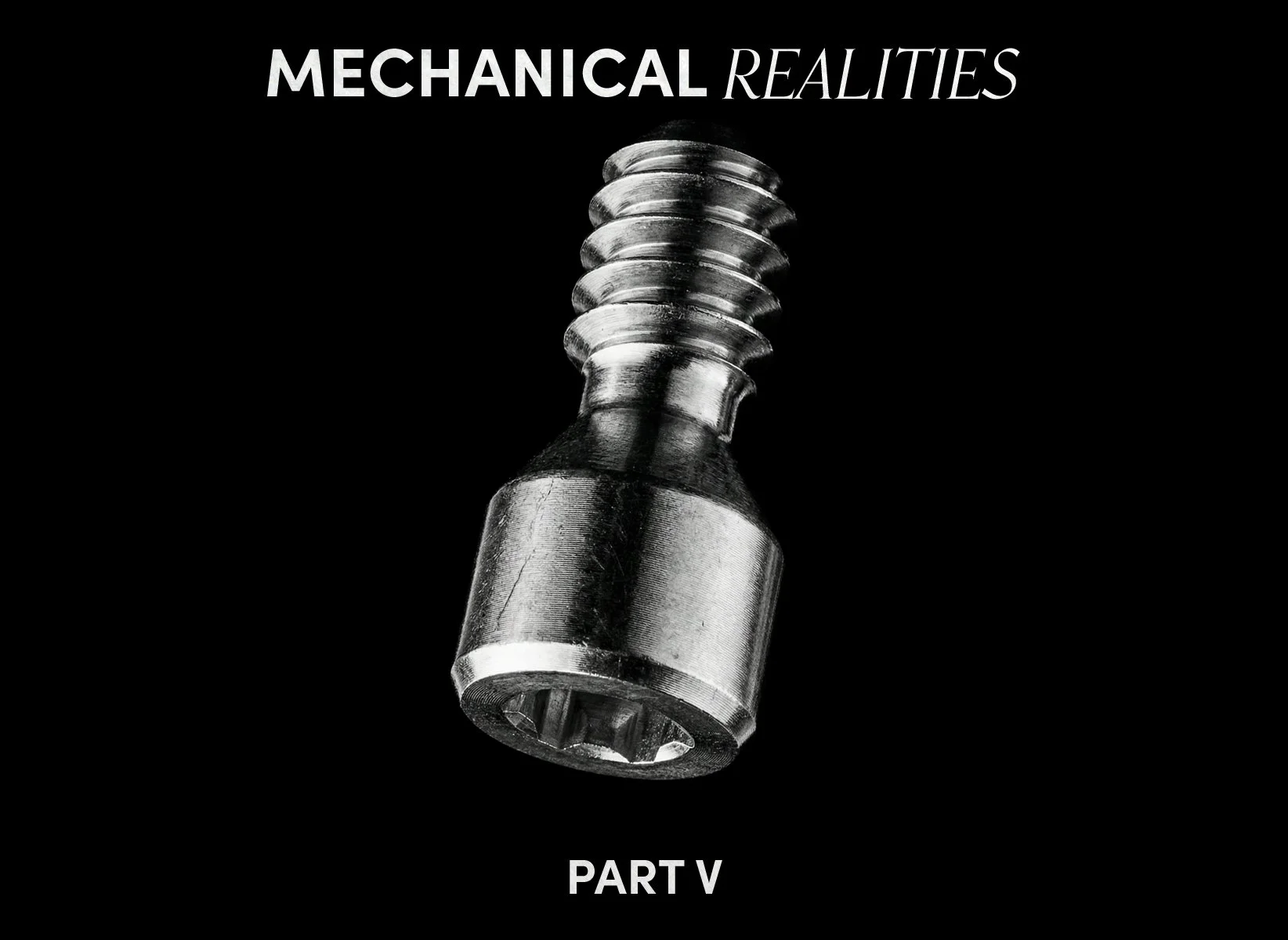
Torque specifications often look deceptively simple. A number, sometimes a range, with occasionally different values for similar-looking systems. It’s easy to assume these numbers represent an ideal target. In reality, they represent a safety boundary.
Torque Values Are Intentionally Conservative
In mechanical engineering, specifications are rarely written for best-case conditions. More often than not, they are written for:
Variability in materials
Variability in manufacturing
Variability in users
Variability in environment
Torque limits are set low enough to remain safe across all of these conditions, not just ideal ones. This is why recommended values often feel cautious. They’re designed to protect the weakest link in the system, not to maximize force.
Why Ranges Exist Instead of Single Numbers
A single torque value assumes uniform behavior, but mechanical systems are not uniform. Ranges acknowledge:
Friction variability
Interface conditioning
Differences in screw geometry and coatings
They allow for consistent outcomes across systems that cannot behave identically by design. Precision, in engineering, does not always mean rigidity. Sometimes it means flexibility within controlled limits.
Why Torque Specs Differ Between Implant Systems
Different implant systems use:
Different thread profiles
Different screw lengths
Different head geometries
Different materials and coatings
Each of these variables changes how torque is converted into preload. As a result, identical torque values across systems would produce very different mechanical outcomes. Specifications are system-specific because the mechanics are system-specific.
What Specs Are Not Meant to Do
Torque specifications are not intended to:
Eliminate variability
Guarantee preload
Replace judgment
They exist to prevent damage, not to define perfection. They define where not to go, more than where to stop.
What This Means Clinically
Understanding how torque specs are written reframes their role. They are guardrails. Not goals. They provide consistency across variability, not uniformity across conditions. When used as boundaries rather than targets, they support predictable outcomes without demanding compensation or force.
The Takeaway
Torque specifications are written for reality, not theory. They account for:
Human variability
Mechanical variability
Environmental variability
They don’t remove judgment, they do support it. Understanding this makes torque values clearer, and easier to trust.