
Where Torque Actually Goes
Why the number you apply is not the force that holds things together.
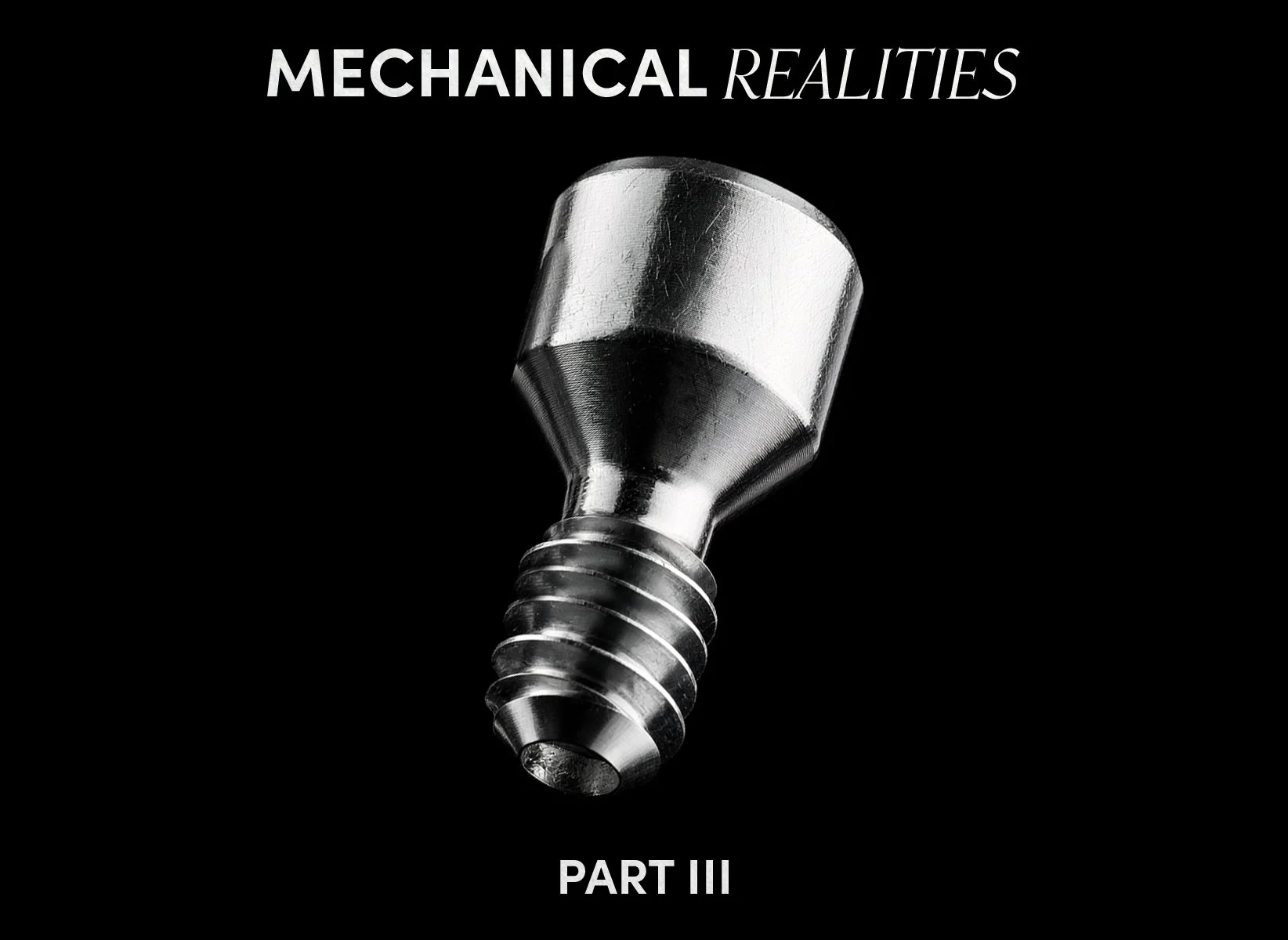
Torque is often treated as the goal. Reach the value. Stop. Move on. Mechanically, torque is not the outcome. It is the input. What matters is what happens to that input once tightening begins.
Torque Is Mostly Lost to Friction
When torque is applied to a screw, only a small portion becomes useful clamping force. In mechanical engineering, this is well established:
Approximately 85–90% of applied torque is consumed by friction
The remaining 10–15% becomes preload, the force holding components together
That friction occurs in two places:
Between the screw threads and the implant
Between the screw head and its seating surface
This means most of what the hand applies never reaches the joint as holding force.
Why This Matters More Than the Number
Because friction is variable. Small differences in:
Surface finish
Coatings
Lubrication (intentional or accidental)
Contact geometry
can dramatically change how much preload results from the same torque value. Two screws tightened to the same number can produce very different clamping forces, simply because friction behaved differently at the interface. The torque value stayed the same, but the outcome did not.
What “Preload” Actually Is
Preload is the elastic stretch of the screw and that stretch:
Pulls components together
Creates resistance to micromovement
Determines long-term stability
Torque is only a proxy used to achieve preload because direct measurement of stretch is impractical in clinical settings.
This is why torque specifications exist, but also why they have limits.
Why Torque Alone Cannot Guarantee Stability
Torque controls input. Preload controls outcome. Since friction sits between the two, torque alone cannot ensure a consistent result. This is not a flaw in dental systems, but the reality of all bolted joints, from aerospace to orthopedics. Numbers define boundaries, they dont eliminate variability.
What This Means Clinically
Understanding where torque goes explains several everyday observations:
Why tightening “feel” varies
Why retightening changes stability
Why torque limits exist but are conservative
It also clarifies why consistency comes from systems, not just values. Hand position, tool condition, interface cleanliness, and material behavior all influence how torque is converted into preload.
The Takeaway
Torque is not what holds components together. Preload does. And preload depends less on the number applied than on how friction behaves at the interface. Knowing this does not complicate dentistry. It makes outcomes easier to interpret, and easier to control.