
Introducing: Mechanical Realities
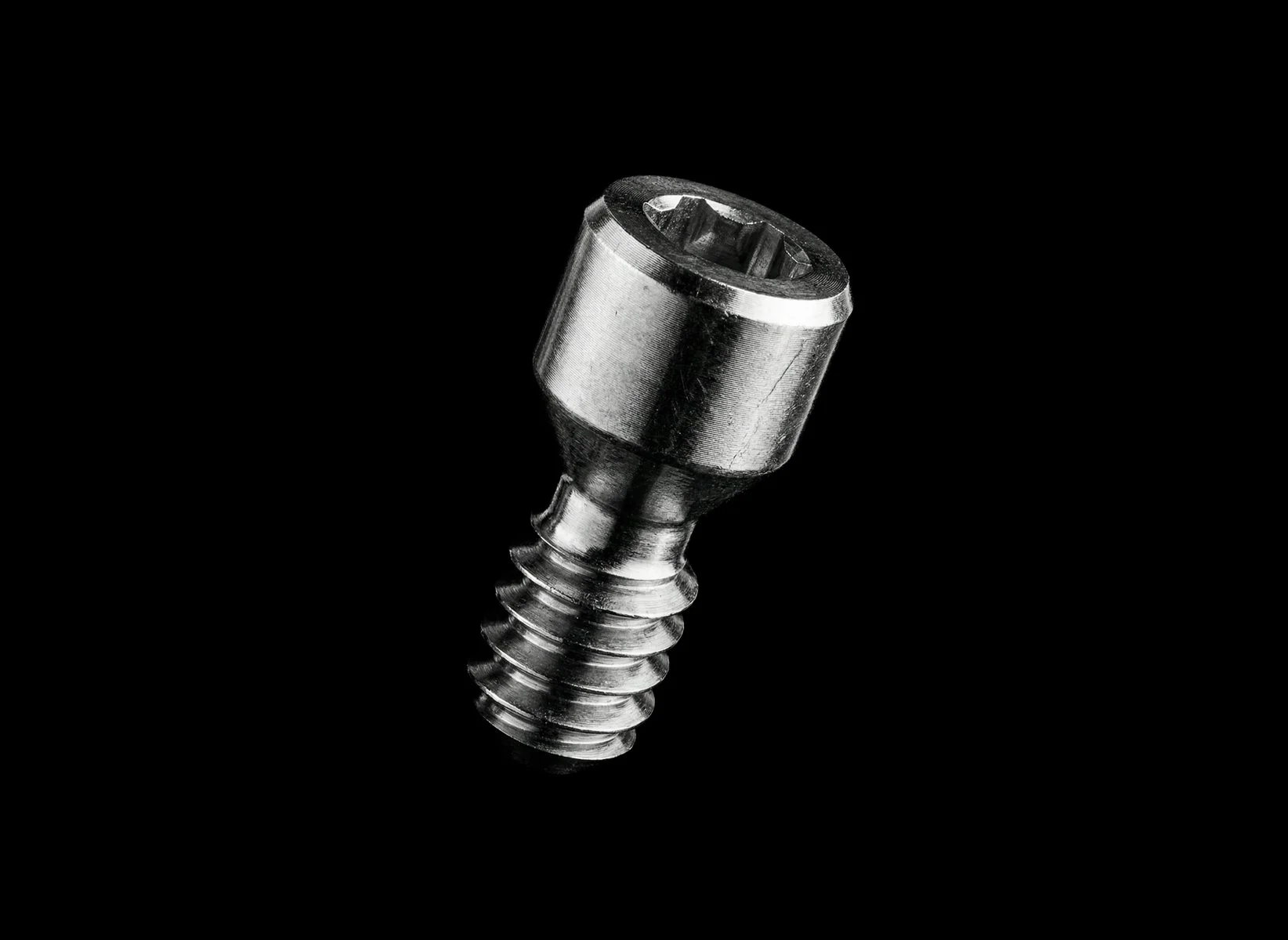
There has been increasing discussion around screw loosening and screw fracture in implant dentistry, particularly in full-arch (AOX) cases. This shouldn’t be surprising. More AOX cases are being performed than ever before, and with that growth comes greater visibility of recurring mechanical issues.
Rather than approaching this topic with emotion, opinion, or anecdote, this series, Mechanical Realities, examines the problem from an engineering perspective.
Modern dentistry is surrounded by numbers. Torque values, material specifications, digital plans, and protocols can create the impression that if everything is followed correctly, outcomes should be guaranteed. Yet experienced clinicians know that reality is rarely that simple.
Implant systems are mechanical systems, and as such, they are governed by the same fundamental laws that apply to all engineered structures: friction, fatigue, tolerance, load distribution, and time. These forces do not disappear because a value was reached or a protocol was followed. They continue to act, quietly and repeatedly, long after treatment is complete.
This six-part series exists to make those forces visible.
Not to teach technique, not to promote products, not to assign blame.
But to explain why certain problems recur, even in capable hands and well-planned AOX cases, where loads are higher and margins are smaller.
Here, the focus is on mechanics, not opinion. On systems, not moments. On understanding limits, not chasing perfection. Because consistency does not come from doing more, but comes from knowing what actually matters.
Mechanical Realities is not a course. Its a reference. A place to ground modern implant dentistry in something timeless: how mechanical systems truly behave under load.